Project Description
FIBRO SHIELD
Insulation materials for the automotive industry
Properties
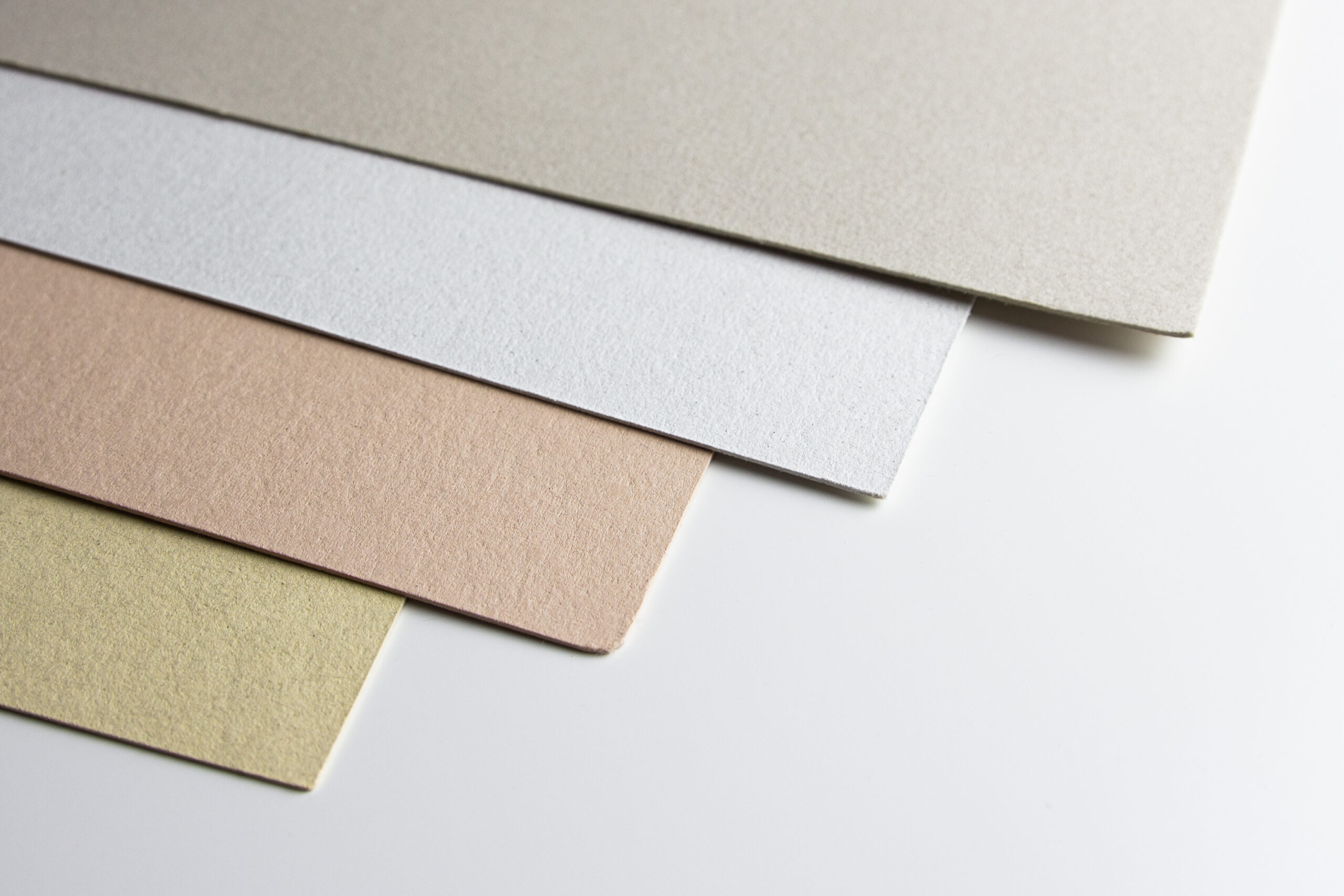
Our grades
| Grade | Thickness | Width | Density | Application |
|---|---|---|---|---|
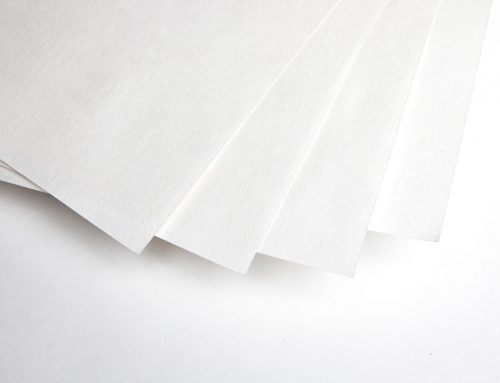
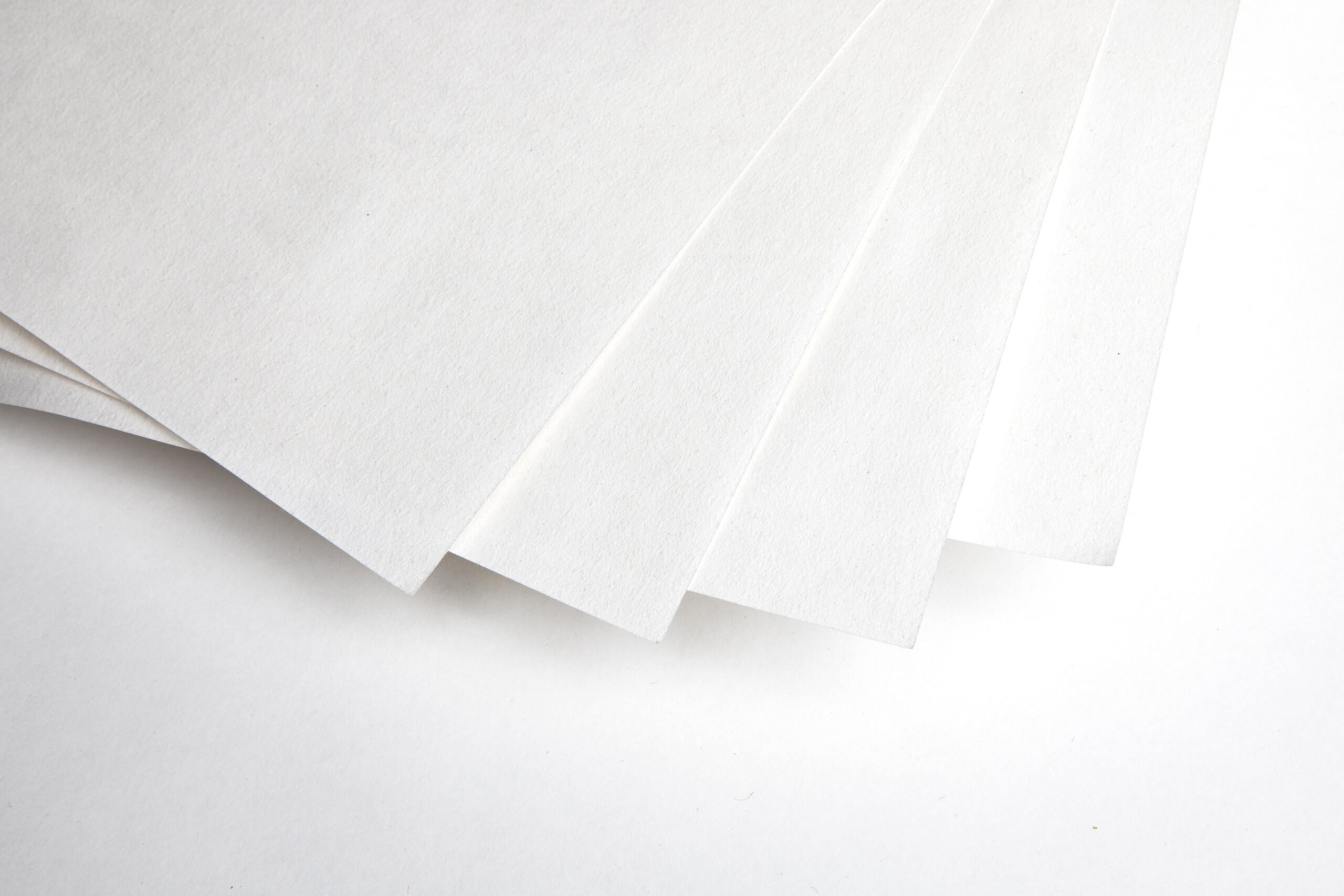
| JG50 | 0,48 - 1,50 mm | 1016 mm | 1,05 g/cm³ | Jagolit 50 was specifically developed for thermal insulation at temperatures up to 450 °C, with the added benefit of acoustic damping for automotive and engine noise applications. |
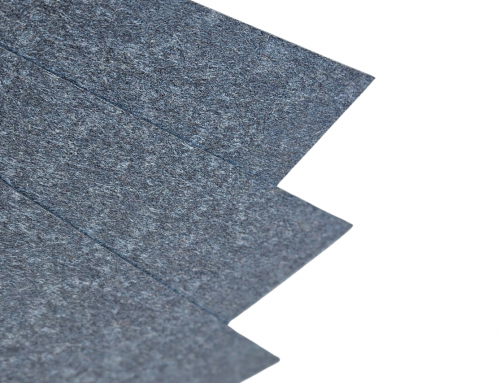
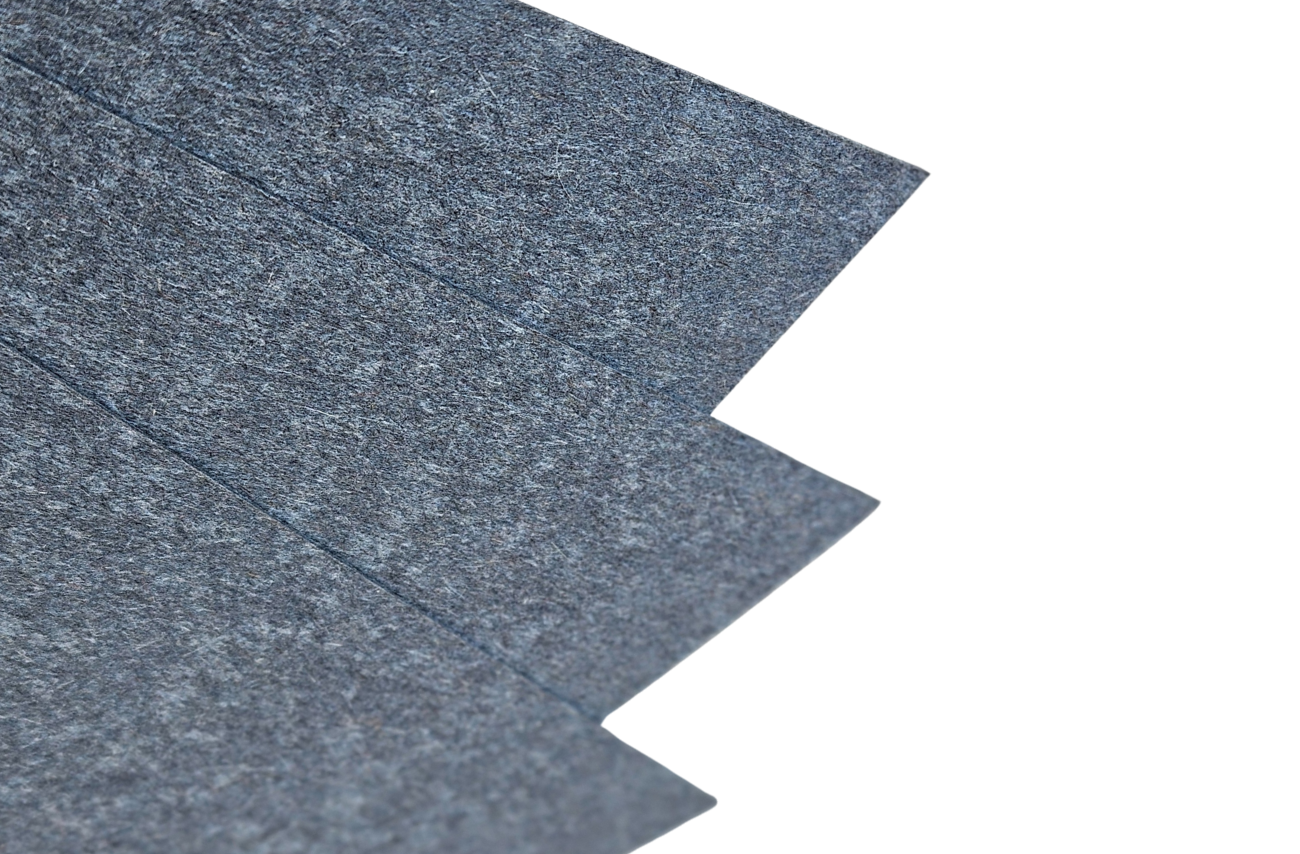
| JG438 | 1,00 g/cm³ | Jagolit 438 is an almost organic-free material with excellent heat and flame resistance and low thermal conductivity. It is intended for use as a general insulating filler in three-part heat shield constructions and can withstand temperatures of up to 500 °C. | ||
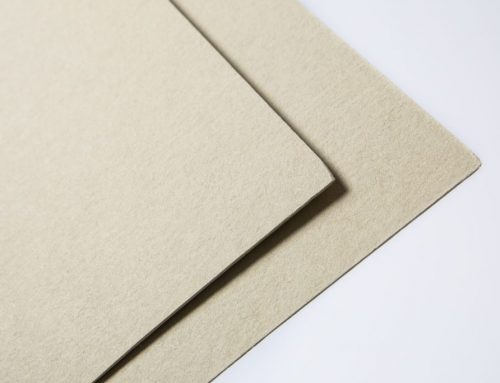
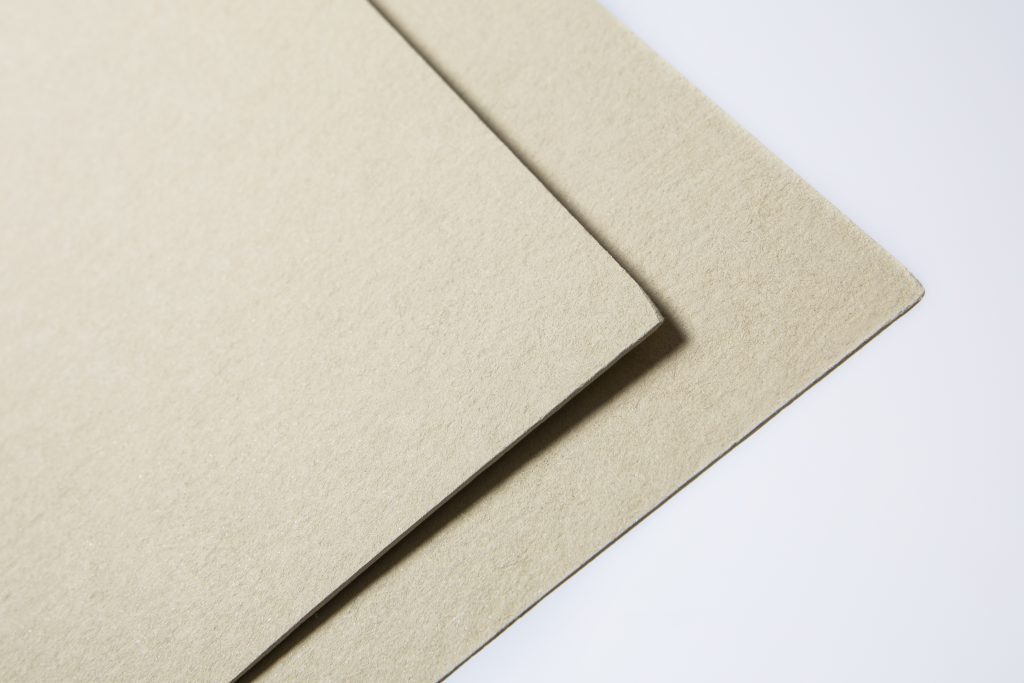
| TI650 | 0,88 g/cm³ | TI650 ist ein anorganisches Material mit geringer Dichte, ausgezeichneter Hitzebeständigkeit und extrem niedriger Wärmeleitfähigkeit. Bei der Erhitzung wird kein Rauch oder Geruch freigesetzt, und die physische Beschaffenheit bleibt auch bei Temperaturen von bis zu 850 °C erhalten. | ||
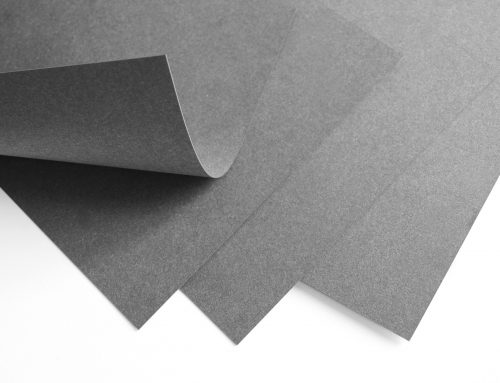
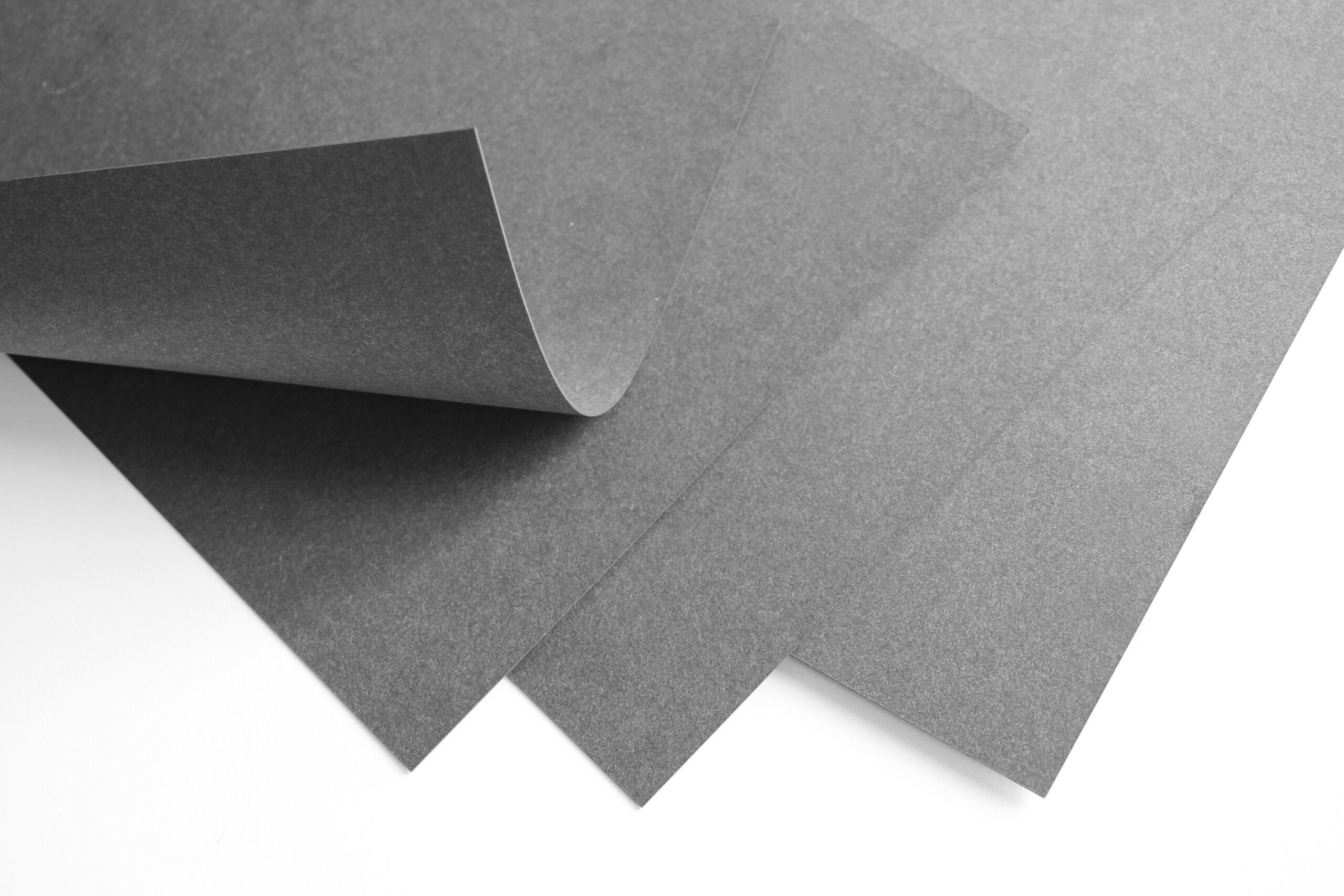
| TI1K | 0,88 g/cm³ | TI1K is an inorganic material with very low density, excellent heat resistance, and extremely low thermal conductivity. It produces no smoke or odor during use, and its physical integrity remains intact even at temperatures up to 1000 °C. |
downloads
FAQ
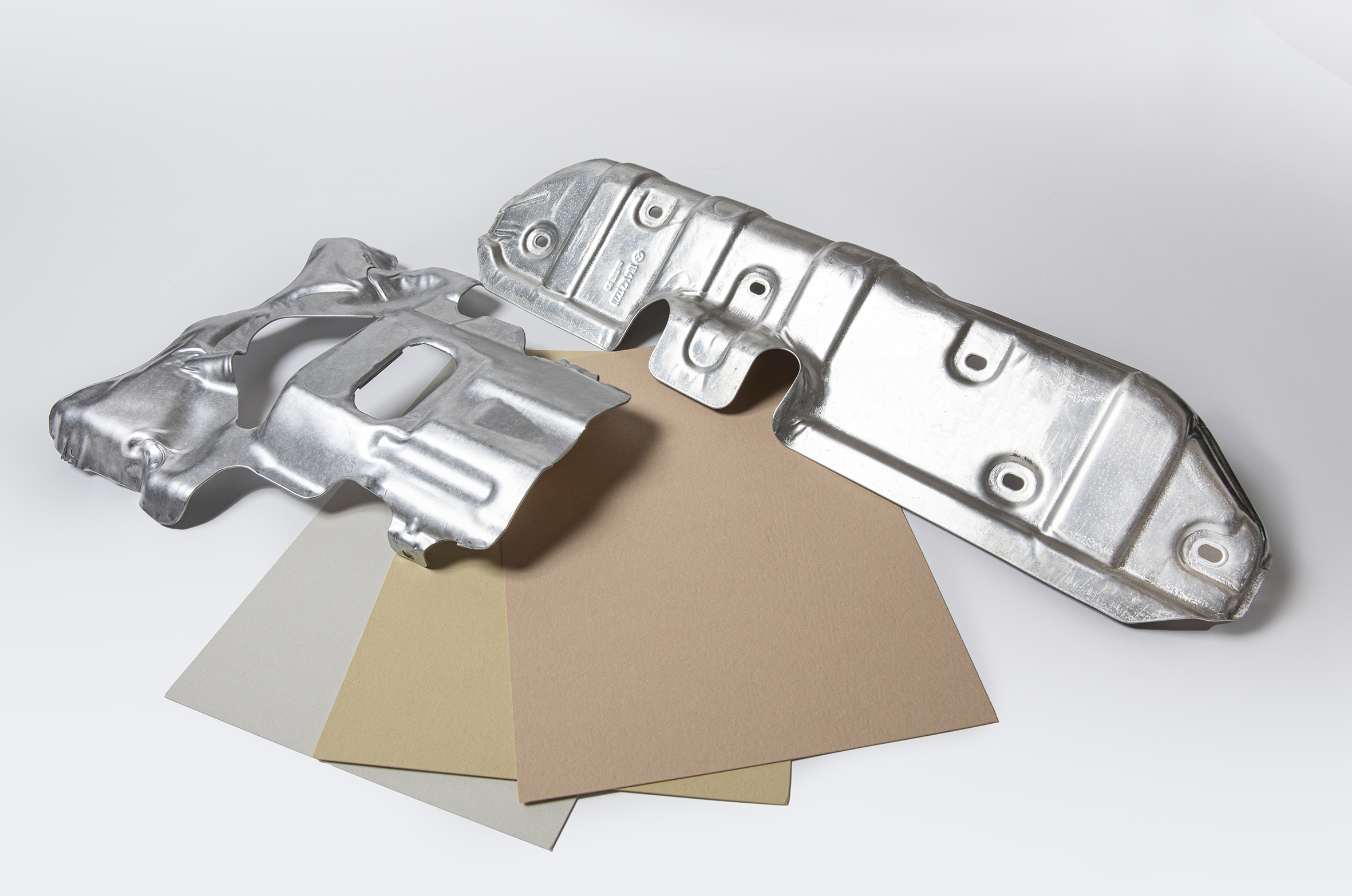
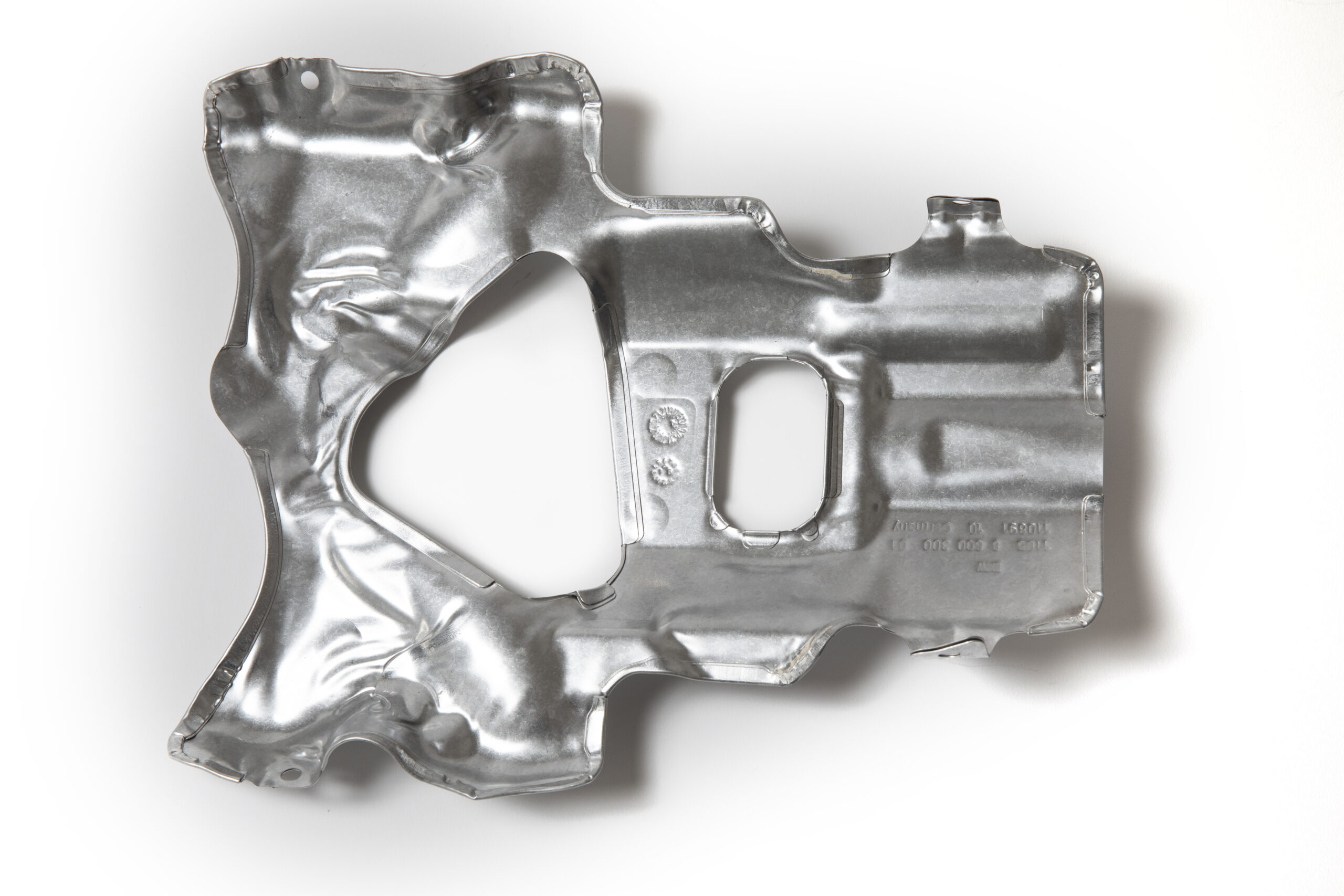
FibroShield is suitable for a wide range of thermal insulation and heat shielding applications, particularly in the automotive industry, including:
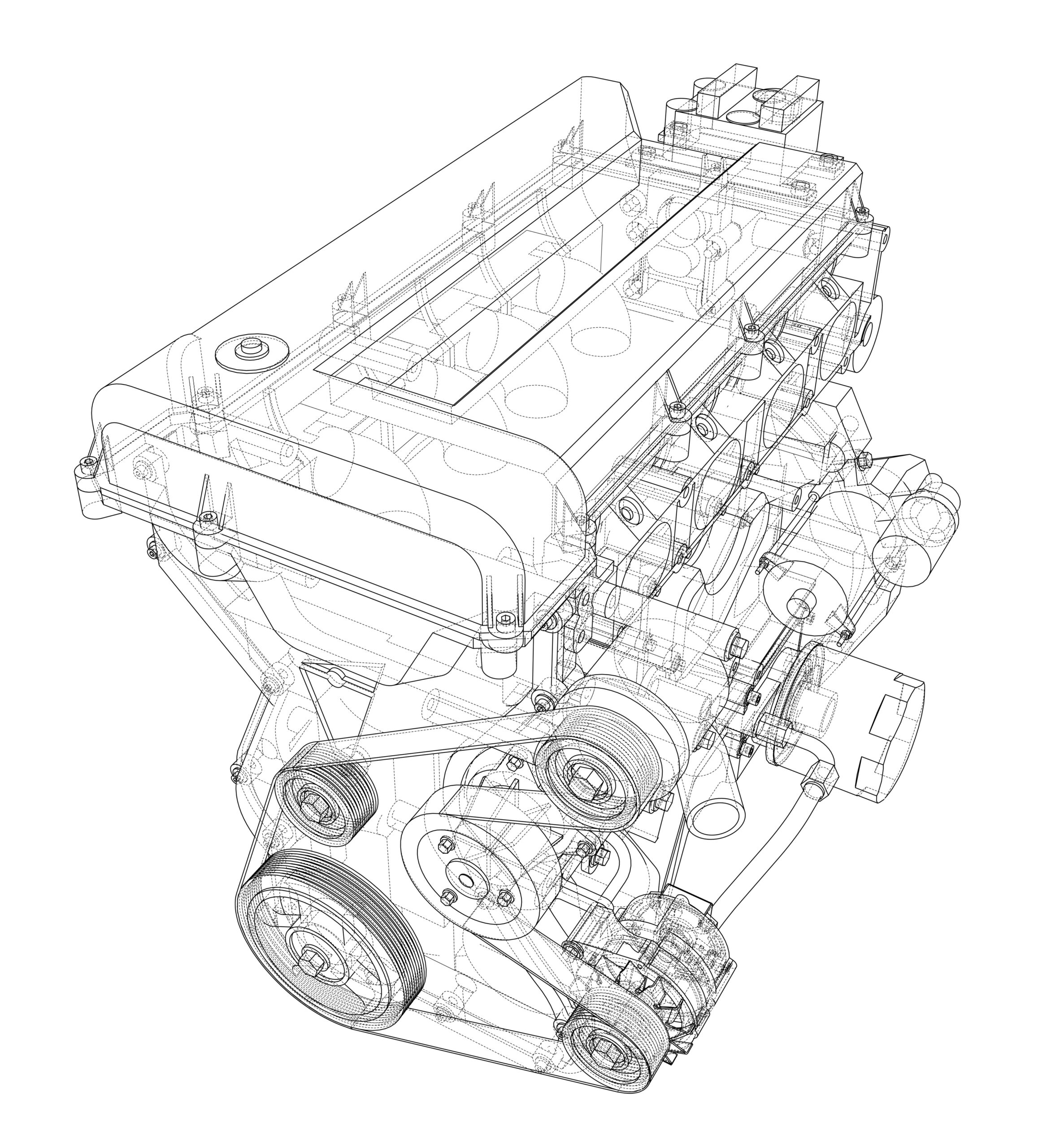
- Engine and exhaust systems
- Thermal barriers for turbochargers and manifolds
- Acoustic-thermal hybrid insulation
- Protection of battery assemblies (for electric and hybrid vehicles) – for these applications, we recommend our FibroTesh materials, specifically developed for battery systems
FibroShield materials can also be used in other industrial sectors where high temperatures occur, such as aerospace, shipbuilding, or energy generation.
Depending on the grade, our FibroShield materials are heat resistant up to 1000 °C. They maintain their shape, insulating properties, and mechanical stability even under prolonged thermal exposure.
Yes. FibroShield is used in both OEM projects and the aftermarket. The materials meet the requirements for series production, spare parts supply, and customized solutions.
Yes. Depending on customer requirements, the materials can be treated with special coatings, e.g. for:
- Improved thermal reflection
- Surface protection
- Optimised acoustic insulation
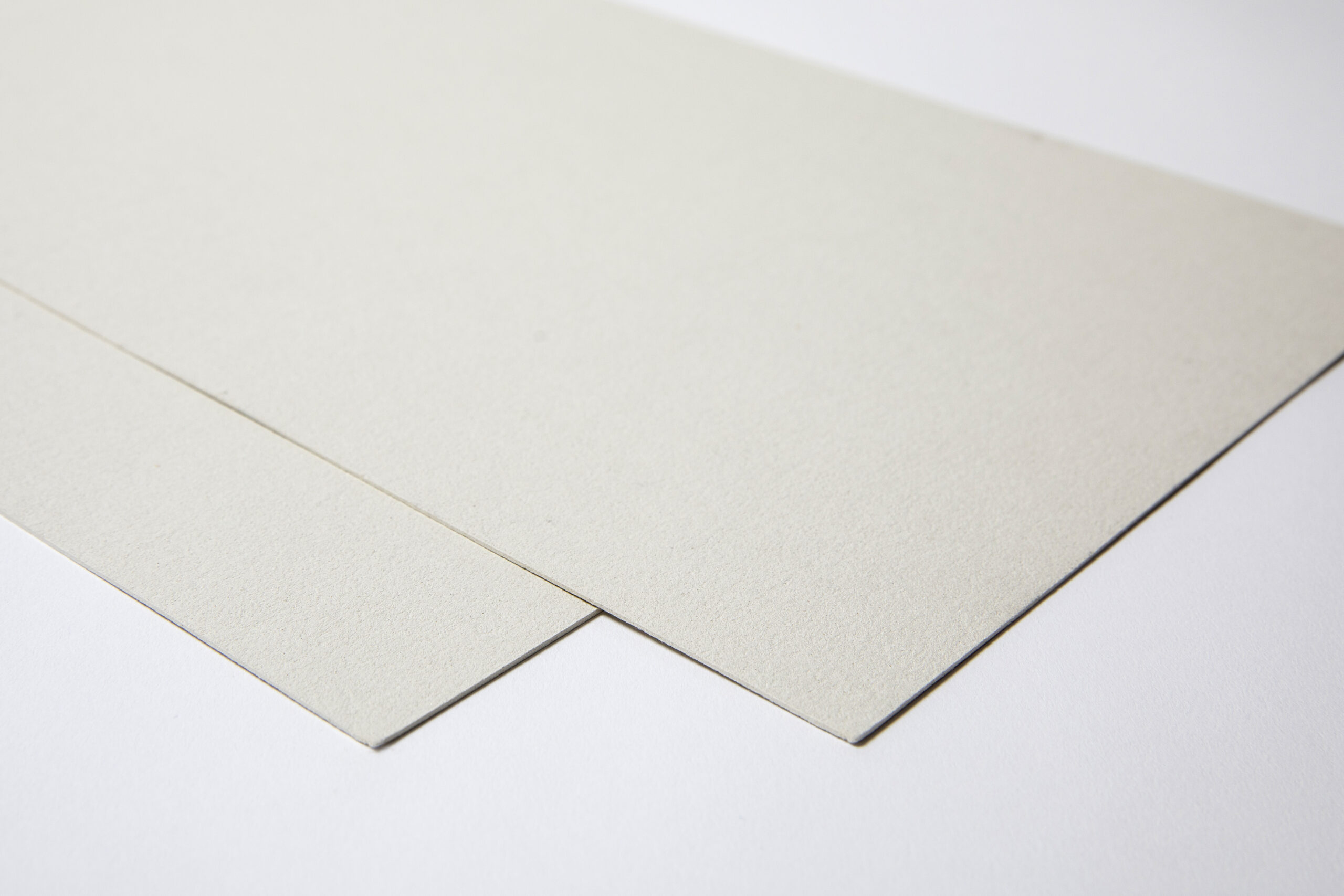
These specialty papers are made from special fibres and fillers, including inorganic fibres and selected binders. This ensures:
- Excellent thermal stability
- Very low thermal conductivity
- High mechanical stability even at high temperatures
FibroShield is ideally suited for:
- Engine compartment and exhaust shields
- Turbocharger shields
- Acoustic-thermal hybrid solutions
The materials can be used in both static and moderately dynamic applications.
FibroShield cannot be directly compared 1:1 with standard glass fleece, but it offers several advantages that can deliver significant long-term savings and efficiency gains:
- Space-saving storage: Due to the lower volume, more material can be stored in the same area.
- Employee-friendly: Contains fewer glass fibers, making it safer and more comfortable to handle.
- Lower transport costs: Reduced volume means more material can be loaded on a single truck.
- Local production: Manufactured in Germany, eliminating the need for long imports from Asia.
- Process efficiency: Easier handling and faster processing due to the material properties.