

FIBROCERA
High-performance ceramic material
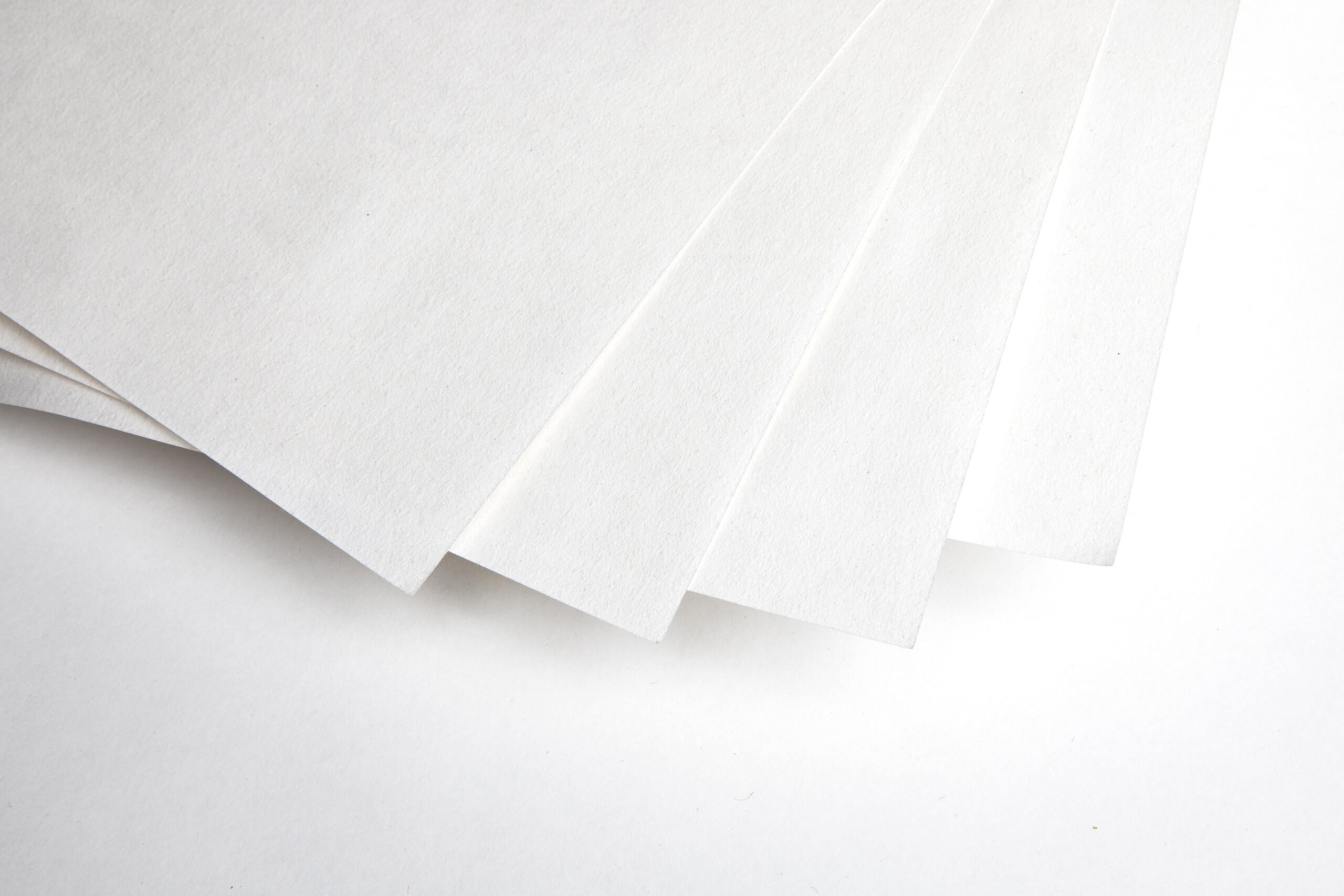
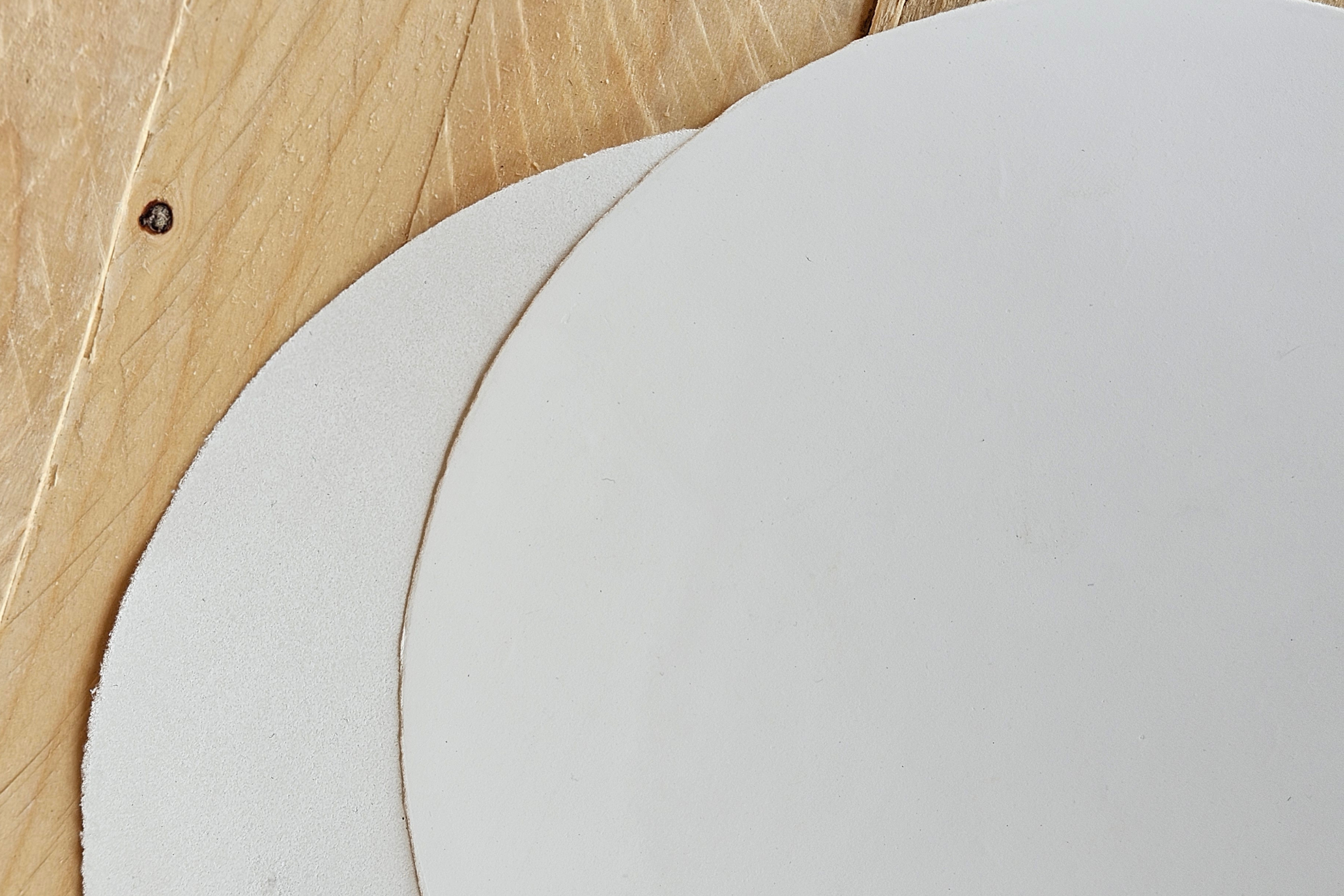
CERA is a specialized ceramic paper with very low water absorption, excellent dielectric strength, and outstanding electrical insulation. The material is transformed into a solid ceramic at 1,800°C through a precise sintering process. This makes CERA ideal for a wide range of industrial applications—from the firing of tiles and ceramics to its use as a protective material in the automotive sector and technical applications with high temperature and insulation requirements.
Our grades
| Sorte | Farbe | Grammatur | Stärke | Dichte | Zusammensetzung | Anwendungsbereich |
|---|---|---|---|---|---|---|
| CERA |
weiß
|
375 g/m² | 0,25 mm | 1,50 g/cm³ | Füllstoffe, Zellulose, spezielles Bindersystem | Brennen von Fliesen und Keramik, elektrische Isolation, Schutzmaterial im Automobilbereich sowie technische Hochtemperaturanwendungen |
| 750 g/m² | 0,50 mm |
FAQ
CERA is a high-performance ceramic paper with very low water absorption, excellent tensile strength, and outstanding electrical insulation. The material is converted into a solid ceramic at 1800°C in a precise sintering process. This makes it ideal for a wide range of industrial applications—from firing tiles and ceramics to use as a protective material in the automotive sector, as well as technical applications that require high temperature resistance and insulation performance.
CERA is characterized by very low water absorption, high tensile strength, and excellent electrical insulation. The sintering process at 1,800 °C creates a solid ceramic structure that reliably meets thermal, mechanical, and electrical requirements.
Yes, in principle. CERA is designed for applications requiring a combination of electrical insulation and thermal resistance. The solid ceramic structure following the sintering process ensures that the material remains stable even at high temperatures.
Yes, in principle. The combination of a ceramic fiber structure, thermal resistance, electrical insulation, and the rigid structure after the sintering process makes FibroCera ideal for protecting components in demanding environments or separating them from one another.
CERA is currently available in two versions: with a thickness of 0.25 mm at 375 g/m² and a thickness of 0.50 mm at 750 g/m². Both variants have a density of 1.50 g/cm³ and consist of fillers, cellulose, and special binder systems. The appropriate version depends on the desired mechanical design and the specific application in the process or component.
Low water absorption ensures that CERA functions reliably in thermally and electrically demanding processes. It stabilizes material behavior and ensures that protective and insulating functions are maintained even in the presence of moisture.
