


FIBRO FELT
Felt paper
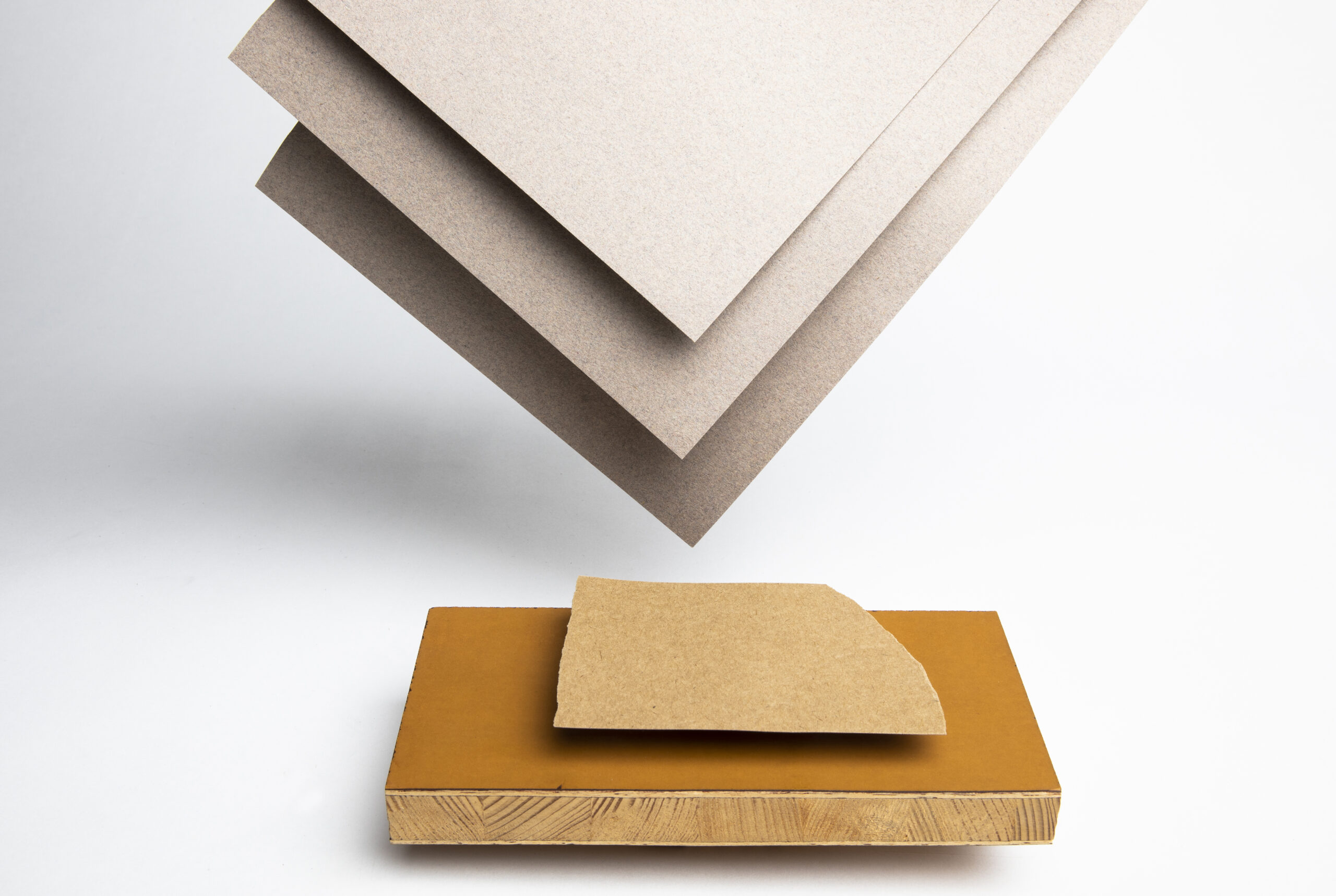
Felt papers serve as carrier materials for various resins. Their bulky and flexible structure plays a key role in enhancing the properties of laminates.
Wool felt board
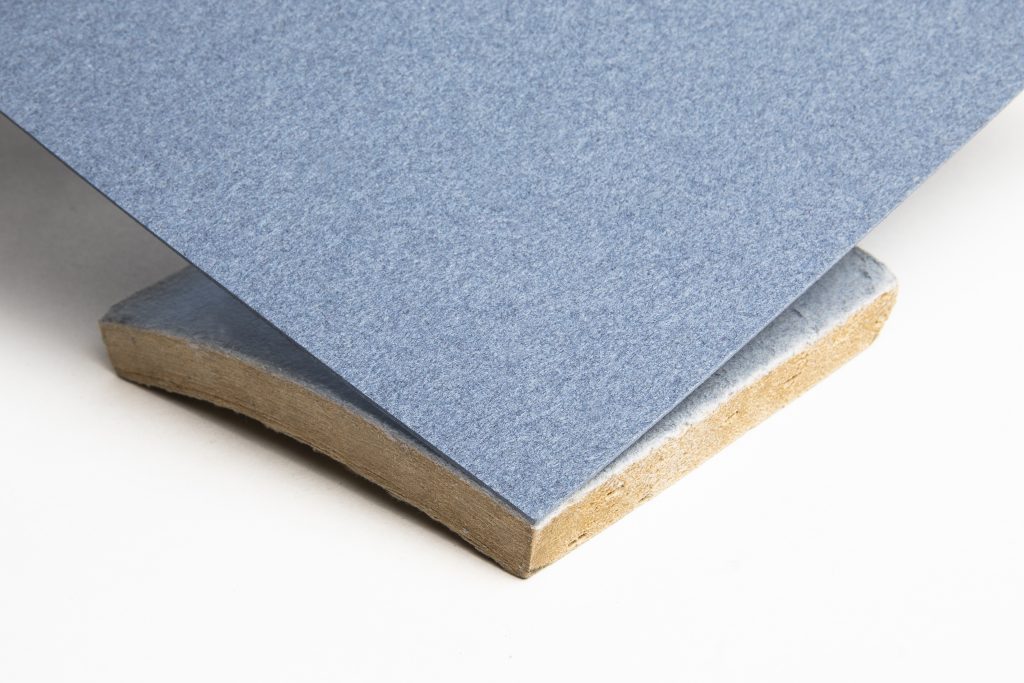
Wool felt paper is used in tube manufacturing as the outer layer of large tubes for aluminum winding. The soft felt surface reliably protects the delicate aluminum foil and helps prevent damage during winding and handling.
Wool felt/ Rag felt
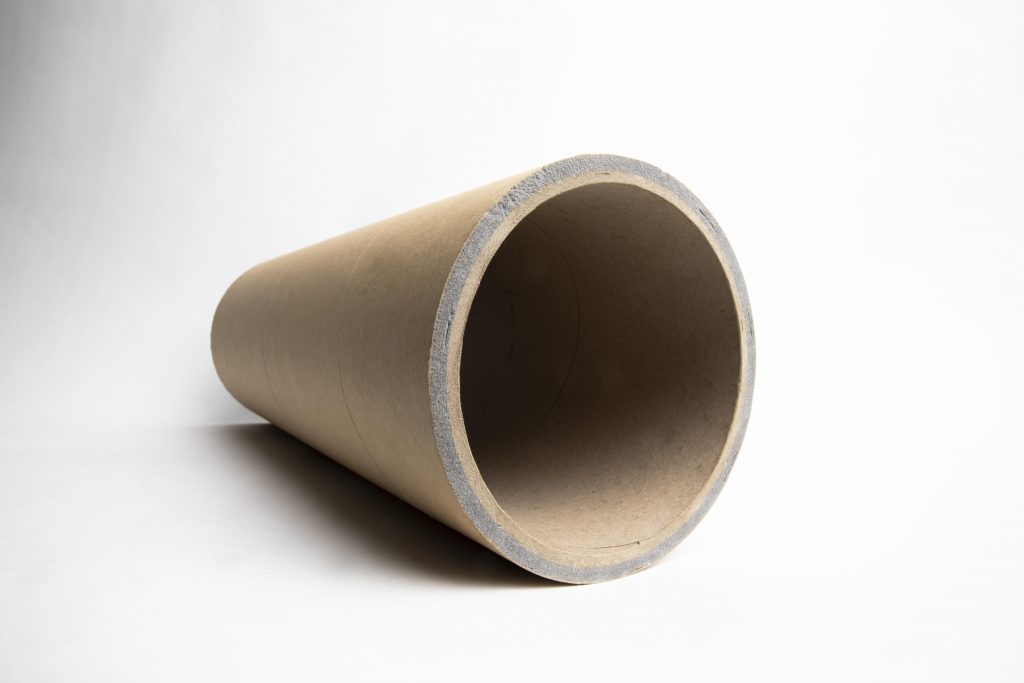
By using wool felt as the inner layer of tubes, flexibility can be significantly improved and load-bearing capacity increased by around 50 %.
Additionally, it is used in other areas, such as the electrical industry, as a sealing material for fuses.
Our grades
| Kategorie | Sorte | Farbe | Grammatur | Stärke | Dichte | Zusammensetzung | Anwendungsbereich |
|---|---|---|---|---|---|---|---|
| Filzpapier | WFDF |
hellbraun
|
120 g/m² | 0,23 mm | 0,52 g/cm³ | Zellulose, Baumwolle | gute Tränkeigenschaft, gut geeignet als Trägermaterial für Laminate |
| WFDF |
hellbraun
|
170 g/m² | 0,33 mm | 0,52 g/cm³ | Zellulose, Baumwolle | gute Tränkeigenschaft, gut geeignet als Trägermaterial für Laminate | |
| CFDF |
hellbraun
|
120 g/m² | 0,23 mm | 0,52 g/cm³ | Zellulose, Recyclingfasern | gute Tränkeigenschaft, gut geeignet als Trägermaterial für Laminate, Alternative zu Kraftpapier | |
| CFDF |
hellbraun
|
170 g/m² | 0,33 mm | 0,52 g/cm³ | Zellulose, Recyclingfasern | gute Tränkeigenschaft, gut geeignet als Trägermaterial für Laminate, Alternative zu Kraftpapier | |
| Hadernfilz | HFAF |
blau
|
500 g/m² | 1,00 mm | 0,50 g/cm³ | Schafswolle, Zellulose | Hülsenfertigung |
| Wollfilz | WFGL |
blau
|
510 g/m² | 1,00 mm | 0,51 g/cm³ | Baumwolle, Zellulose | die ideale Abdichtung für Sicherungen, Hülsenfertigung |
FAQ
FibroFelt is our felt paper for technical applications requiring a voluminous and flexible paper structure. It primarily serves as a carrier material for various resins and helps to specifically improve the properties of laminates. This makes FibroFelt particularly suitable for applications where saturability, structure, and efficient processability are critical.
FibroFelt is used as a carrier material when resins need to be absorbed uniformly and processed in a technical composite. The structure of the material supports good impregnation properties and thus improves the conditions for stable and high-performance laminates. This is precisely why felt papers of this type are used in applications where the quality of the composite material plays a central role.
Certain FibroFelt grades based on cellulose and recycled fibers are suitable as an alternative to kraft paper. The key advantage is its good impregnation properties and its suitability as a carrier material for laminates. This makes FibroFelt an attractive option for applications where, in addition to resin uptake, the material structure and processing behavior also play an important role.
The product family includes, among others, the felt paper grades WFDF and CFDF, as well as the wool felt and rag felt variants HFAF and WFGL. WFDF consists of cellulose and cotton, while CFDF is made from cellulose and recycled fibers. HFAF is based on sheep’s wool and cellulose, whereas WFGL is composed of cotton and cellulose. The suitability of a particular grade depends on whether the material is to be used as a carrier for laminates, for core production, or as a sealing material.
Yes. Wool felt papers within the FibroFelt family are used in core manufacturing. As the outer layer of large cores for aluminium winding, the soft felt surface protects sensitive aluminium foil from damage during winding and handling. As an inner layer of cores, wool felt can also significantly improve flexibility and increase load capacity by around 50%.
Yes. Certain types of wool felt can also be used as sealing material, for example in the electrical industry for fuses. In such applications, a reliable material structure and a sealing effect adapted to the intended use are crucial. FibroFelt therefore covers not only laminate and sleeve applications, but also selected technical sealing tasks.
FibroFelt is available in different grammages and thicknesses depending on the type. For example, the felt paper types WFDF and CFDF are available with 120 g/m² at 0.23 mm and 170 g/m² at 0.33 mm. In the wool felt and rag felt sector, versions with 500 g/m² at 1.00 mm and 510 g/m² at 1.00 mm, among others, are available. The suitable variant depends on the application area, desired impregnation, mechanical stress, and the structure of the end product.
