



FIBRO TESH
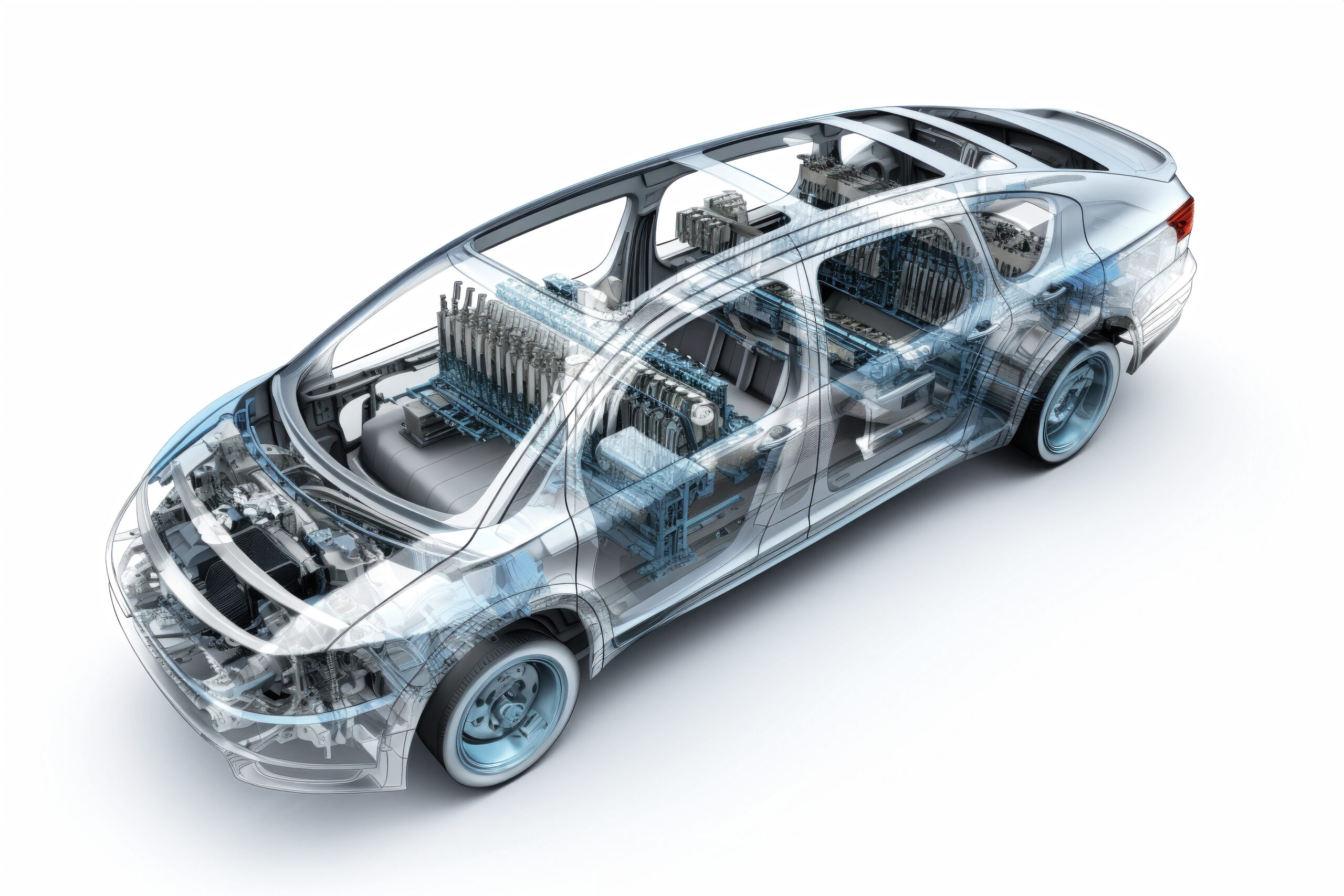
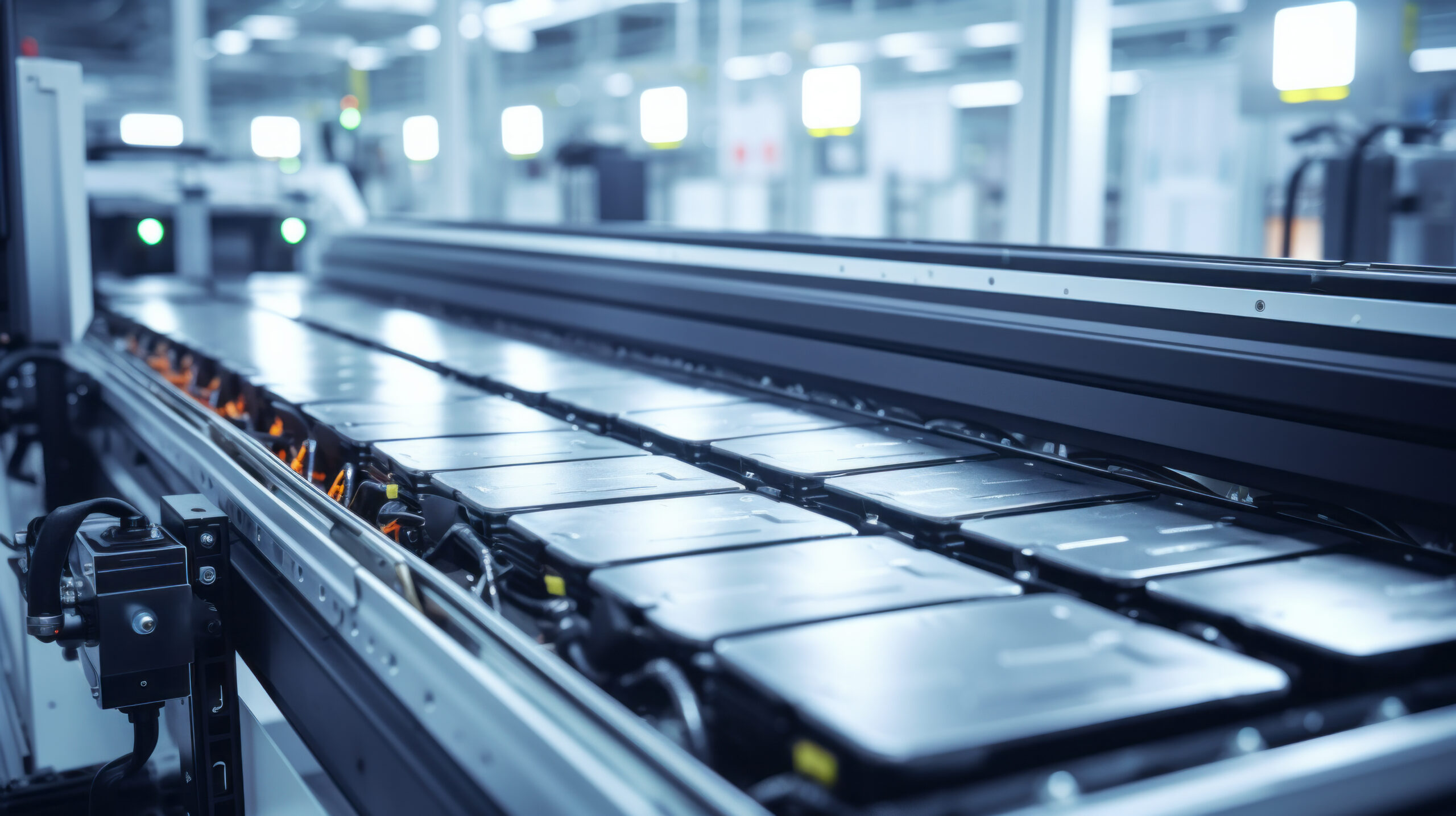
Our FibroTesh grades are advanced materials made from inorganic fibers, fillers and a special coating. They maintain exceptional robustness and durability even under high-temperature stress and could be used as shielding materials in battery cell technology as well as insulation solutions in fuel cell and hydrogen cell applications.
Properties
Battery technology
Thermal/electrical insulation solution
Fuel cell technology
Hydrogen cell technology
Our grades
| Grade | Property | Value | Method |
|---|---|---|---|
|
FibroTesh SC FibroTesh NST FibroTesh JTK |
Thickness | 0,70 – 1,00 mm | EN ISO 534 |
| Basis weight | 700 – 1000 g/m² | EN ISO 536 | |
| Density | 1,00 g/cm³ | ASTM F 1315 | |
| Compressibility (at 6,9 Mpa) | 10-30 % | ASTM F 36 | |
| Recovery | ≥ 20 % | ASTM F 36 | |
| Tensile strength, AMD, Mpa | ≥ 5 | ASTM F 152 | |
| Tensile strength, MD, Mpa | ≥ 3 | ASTM F 152 | |
| Weight loss on ignition, (1 hr at 600°C) | ≤ 16 % | ASTM F 495 | |
| Weight loss, (24 hrs at 250°C) | ≤ 10 % | ASTM F 433 |
downloads
FAQ
FibroTesh is designed for high thermal stress and is heat-resistant up to 1200 °C. This temperature resistance is particularly relevant where insulation material in battery or cell applications must remain dimensionally stable and functional even under extreme conditions. Which grade is suitable in each case additionally depends on the thickness, basis weight, pressure load, and the specific installation concept.
In principle, yes. FibroTesh is designed for use as a shielding material in battery cell technology. The material is suitable wherever heat needs to be controlled in a targeted manner and adjacent components must be shielded from high temperatures. Thanks to its structure of special fibres, fillers and coating, FibroTesh is suitable for demanding thermal insulation tasks in battery-related applications. To achieve the desired properties, the material should be used in a composite construction.
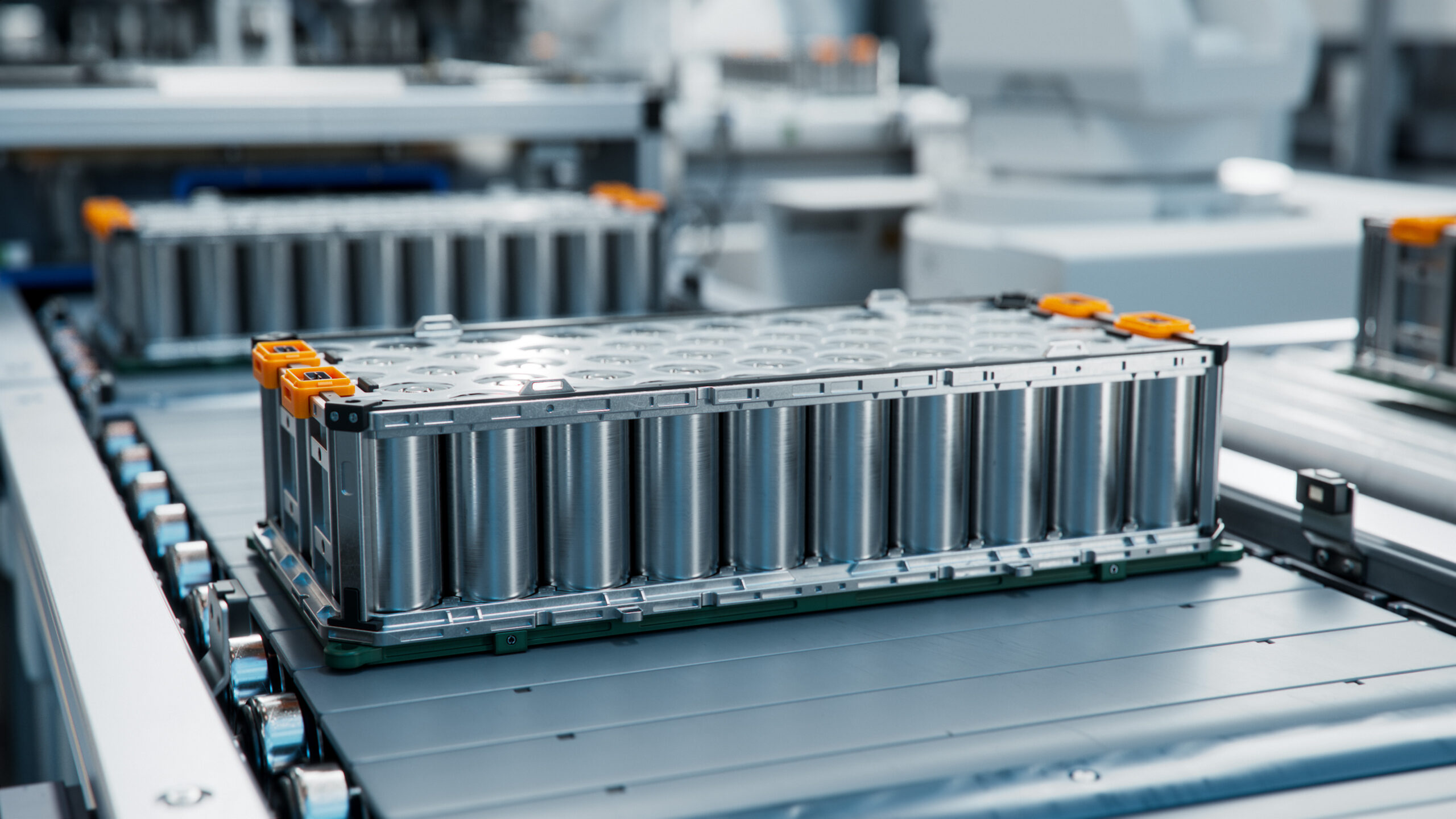
Yes, in principle. FibroTesh is also suitable for insulation applications in fuel cell technology and hydrogen cell technology. In these applications, it is essential to safely manage thermal loads while maintaining high mechanical resistance in the component assembly. The material range is designed precisely for these requirements. To achieve the desired properties, the material should be used in a composite construction.
FibroTesh is designed with a thickness of 0.70 to 1.00 mm, a basis weight of 700 to 1000 g/m², and a density of 1.00 g/cm³. It also features a compressibility of 10 to 30% at 6.9 MPa, a recovery of at least 20%, and tensile strengths of at least 5 MPa in AMD and at least 3 MPa in MD. These parameters are crucial for technical pre-selection, as they provide insights into the behavior under pressure, mechanical stability, and suitability for defined installation situations.
FibroTesh is designed for installation in combination with other components. In battery, fuel cell, or hydrogen systems, insulation material is typically not used individually, but as part of a coordinated material composite or a structural assembly. Therefore, the mating material, contact pressure, thermal load, and geometric boundary conditions are always crucial for the design.
The product family includes FibroTesh SC, FibroTesh NST, and FibroTesh JTK. They differ in their coatings. The suitable variant depends on the requirements of the respective application, such as temperature range, mechanical stress, required thickness, and installation situation. Therefore, the selection always depends on the function the material should fulfill in the overall system.
