


FIBRO QUARTZ
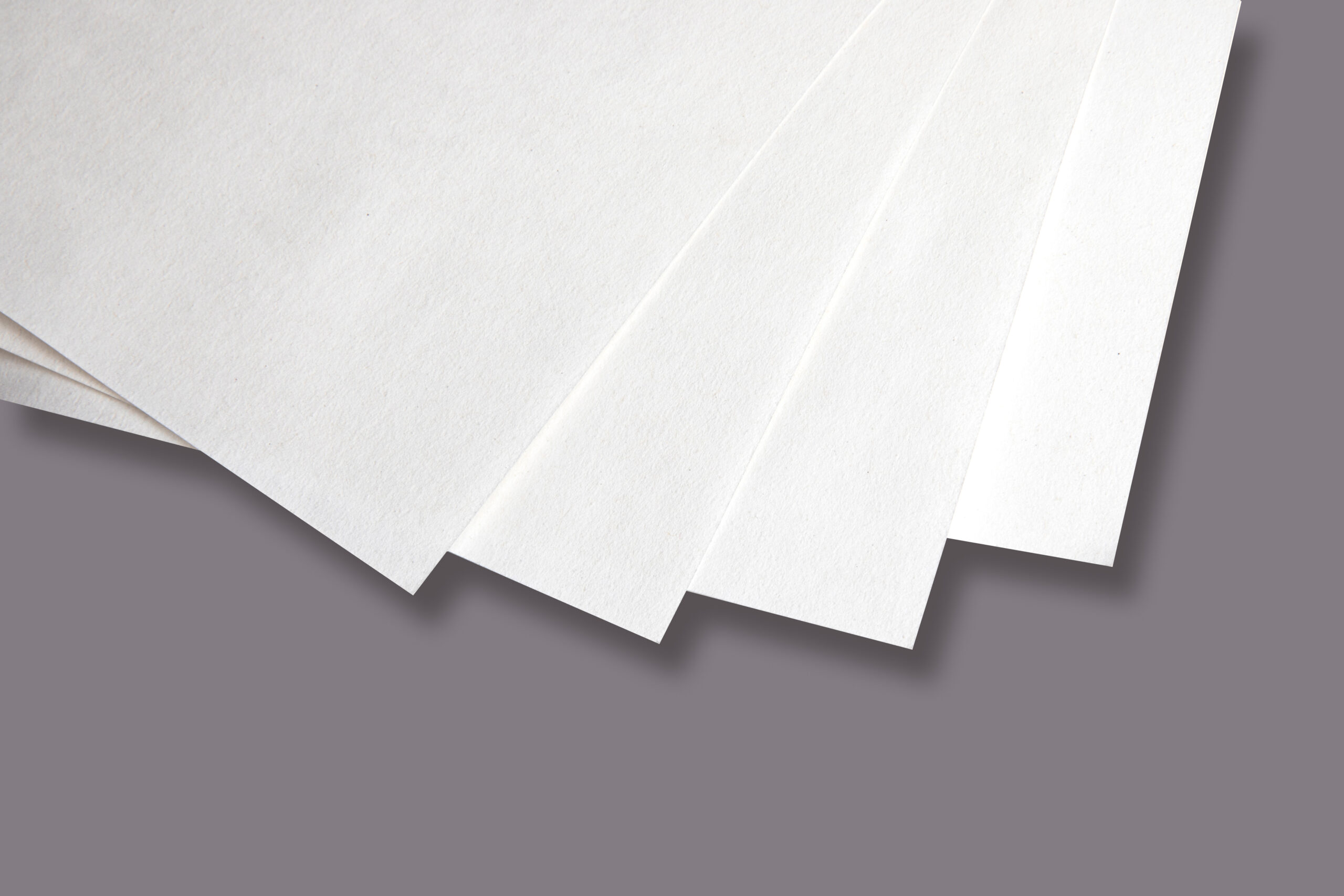
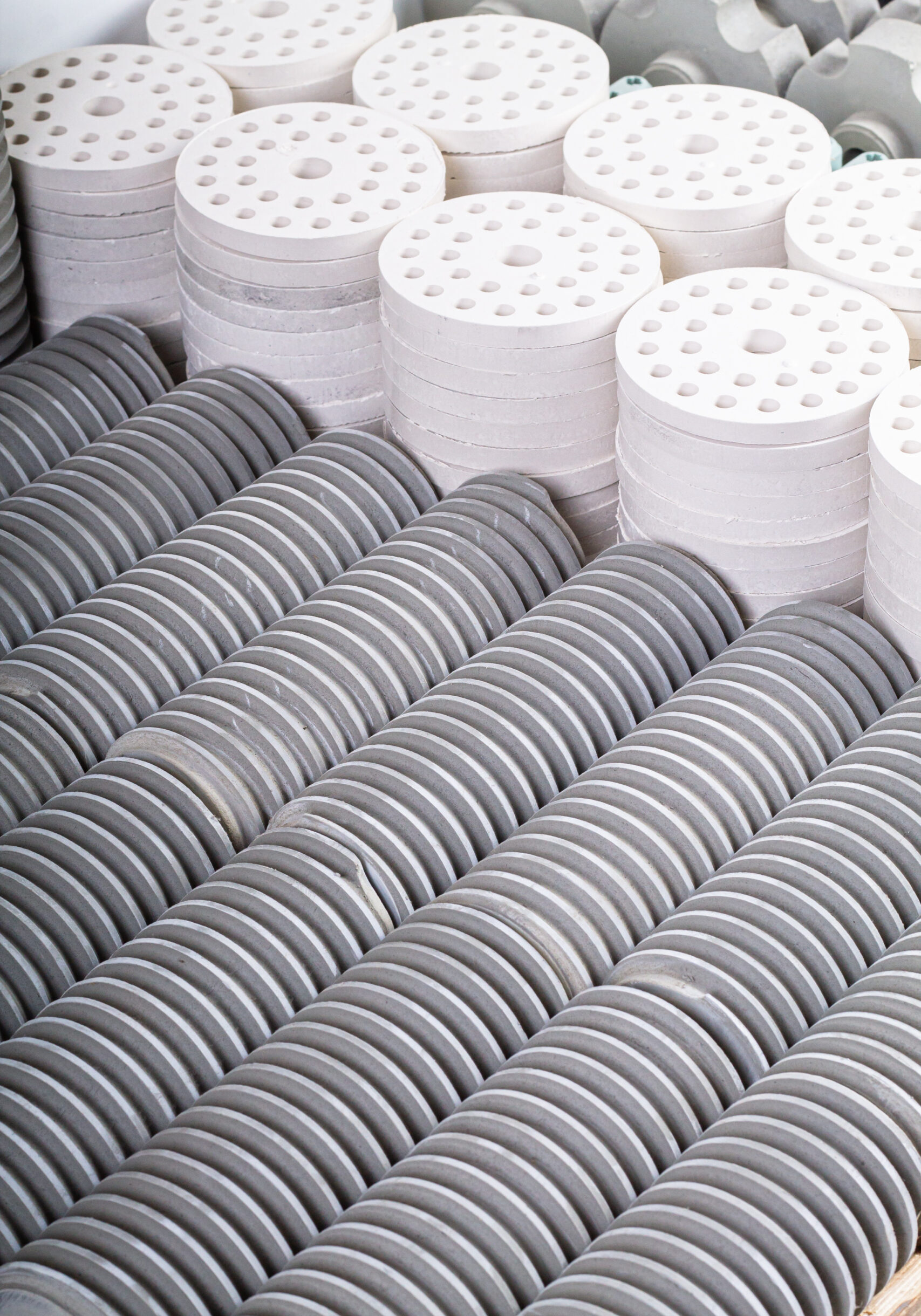
Our Fibro Quartz is the ideal interlayer for firing steatite ceramics and fireclay bricks at temperatures up to approx. 1300°C. It reliably prevents the materials from sticking. Compared to manually applying quartz sand, our paper is significantly easier to handle and enables more efficient loading of the kilns.
Properties
Our grade
| Sorte | Farbe | Grammatur | Stärke | Dichte | Zusammensetzung |
|---|---|---|---|---|---|
| QU50 | weiß | 140 g/m² | 0,25 mm | 0,57 g/cm³ | Quarz, Zellulose |
FAQ
FibroQuarz is our quartz paper designed for use as an interlayer in ceramic firing processes. It is used particularly when firing steatite ceramics and firebricks, preventing the fired parts from sticking or fusing together. This makes the material ideal for applications where ceramic products must be safely separated and efficiently guided through the kiln process.
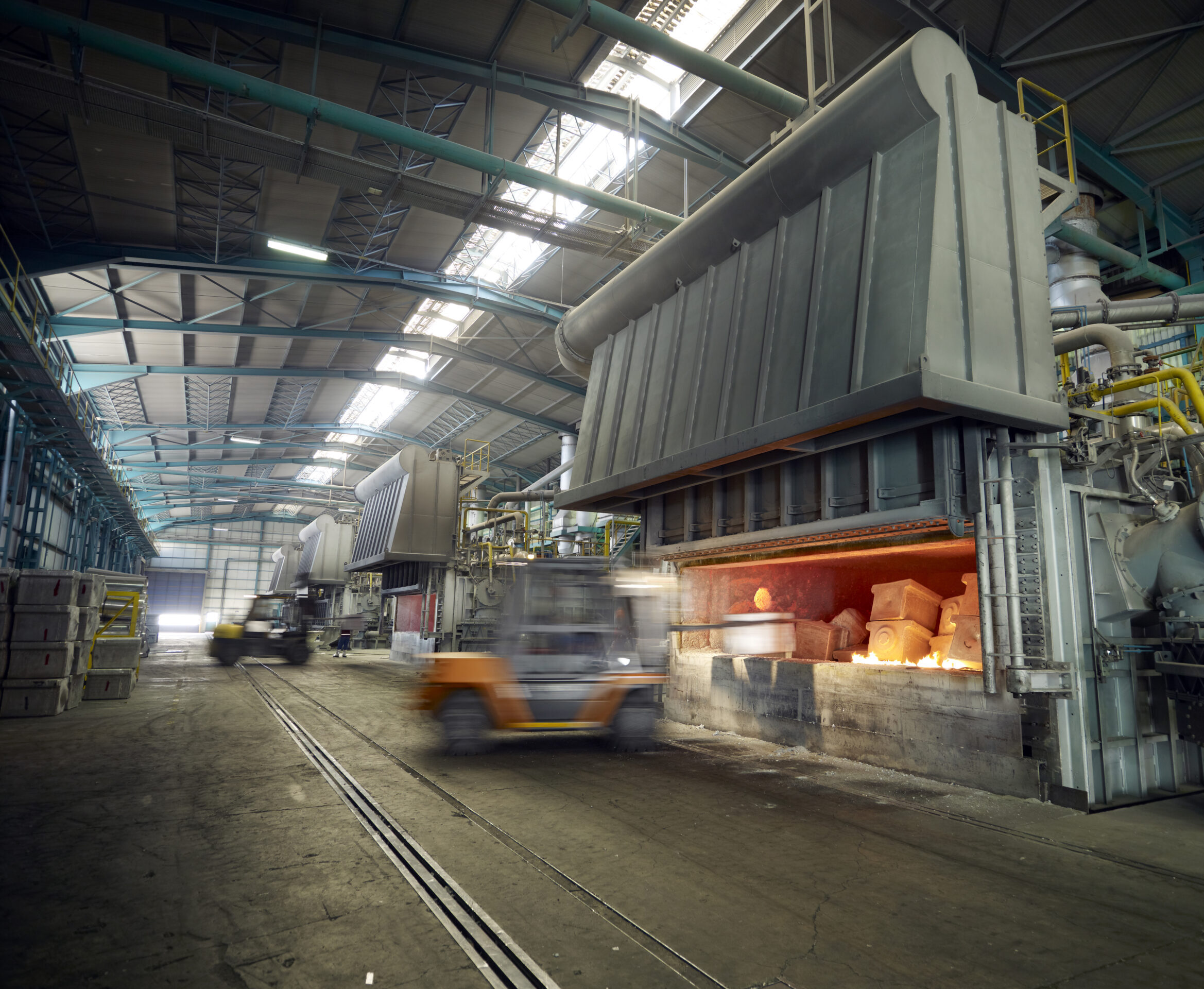
FibroQuarz is designed for firing processes at temperatures up to around 1100 °C. The quartz itself has a melting point of 1710 °C. In practical use, the key factor is that the cellulose in the paper burns off, while the quartz sand it contains acts as a separating medium and prevents the fired parts from fusing together.
FibroQuarz combines quartz and cellulose in an easy-to-process paper form. During the firing process, the cellulose component burns away, and the quartz sand acts as the separating medium. This ensures that the ceramic parts remain cleanly separated, significantly reducing the risk of adhesion and damage in the kiln.
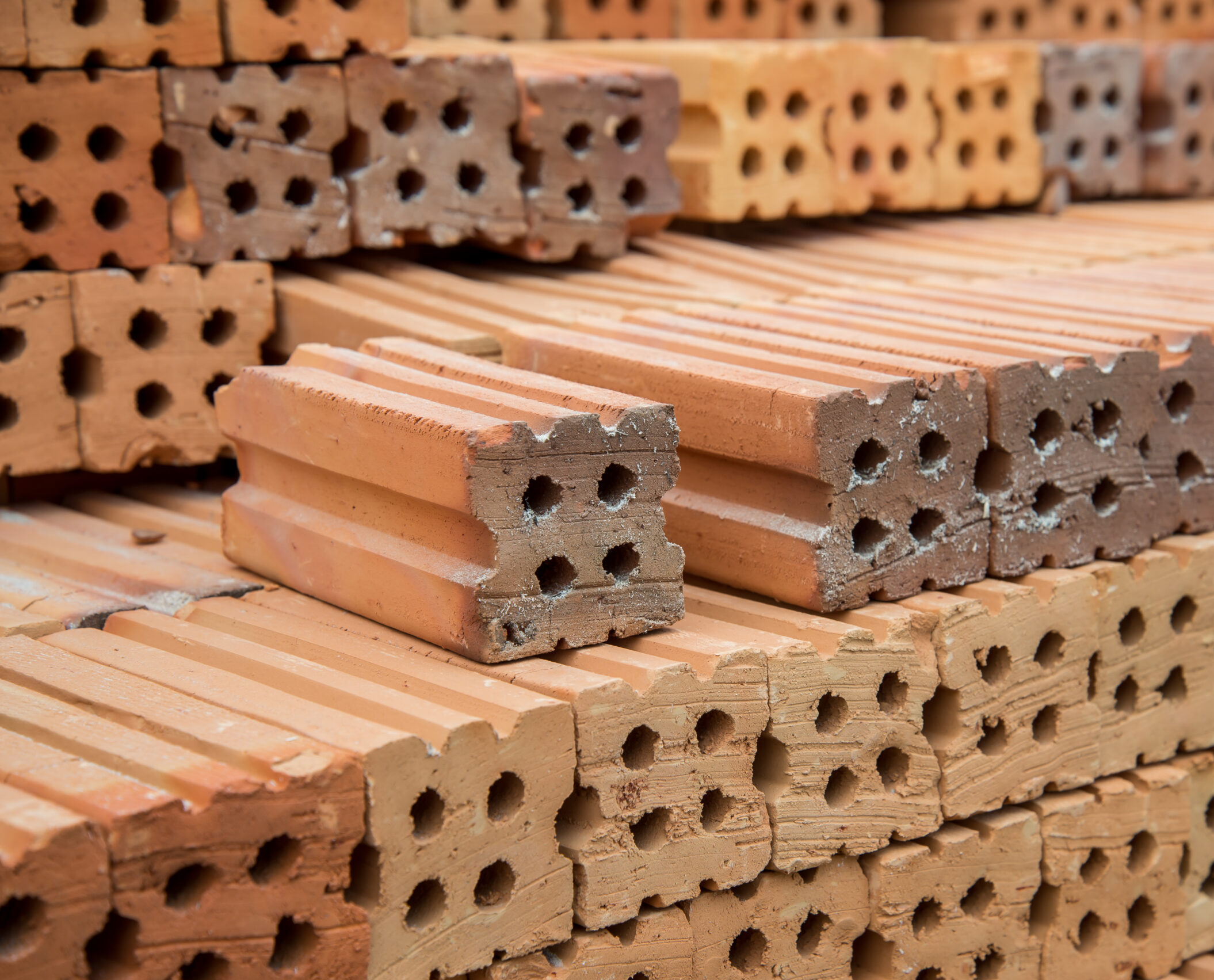
FibroQuarz is suitable for various ceramic and refractory materials. These include ceramic parts, steatite for electrical insulation, tiles, and refractory bricks such as fireclay bricks or clinker. The material is therefore suitable for various firing processes where a reliable separating layer is required.
Compared to the manual application of quartz sand, FibroQuarz is significantly easier to handle. The paper ensures a uniform distribution of the quartz sand, accelerates the loading of kiln cars, and reduces dust generation. This not only makes the process more efficient but also improves the working environment for employees.
Our QU50 grade is white and consists of quartz and cellulose. It has a grammage of 140 g/m², a thickness of 0.25 mm, and a density of 0.57 g/cm³. These characteristic values are relevant for precisely matching the quartz paper to the specific application concerning handling, build-up height, and behavior during the firing process.
Yes. FibroQuarz is expressly suitable for steatite ceramics, i.e., for ceramic materials frequently used for electrical insulation purposes. In such applications, a clean separation during the firing process is particularly important so that the components can be manufactured reliably and do not stick together.
